7 Common Reasons People Consider Acupuncture for Everyday Health Concerns
- Admin
7 Common Reasons People Consider Acupuncture for Everyday Health Concerns
Exploring Acupuncture for Everyday Health Concerns and Muscle Tension in Mississauga
Everyday health concerns can gradually affect a person's comfort, mobility, sleep, and ability to complete routine activities. Muscle tightness after long working hours, recurring headaches, neck stiffness, back discomfort, and stress-related tension are common issues that many people encounter. Although these concerns may initially seem minor, persistent symptoms can interfere with work, exercise, household responsibilities, and personal activities.
For residents of Mississauga, finding suitable ways to manage everyday physical discomfort is an important part of maintaining an active lifestyle. Alongside physiotherapy, massage therapy, and other wellness services, some individuals explore traditional treatment options that focus on specific points throughout the body.
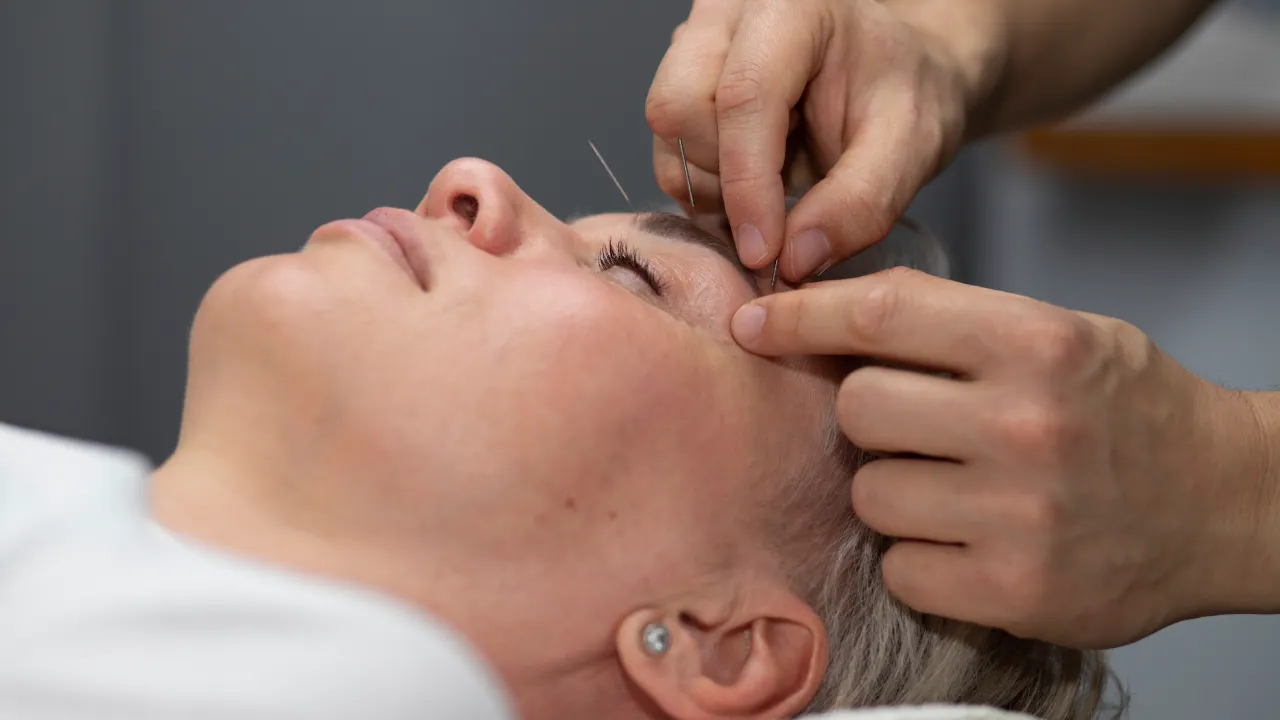
Acupuncture is one approach that has been used for centuries and continues to attract attention among people seeking support for various physical concerns. It involves inserting very fine, sterile needles into selected points on the body. Practitioners use these points according to an individual's symptoms, treatment goals, and overall physical condition.
At Arise Physio & Massage Clinic, individuals in Mississauga can explore available care options for muscle tension, movement concerns, and everyday physical discomfort. Learning about the potential uses of this treatment can help people make informed decisions about their wellness needs.
7 Common Reasons People Consider Acupuncture for Everyday Health Concerns
People consider different approaches to address physical discomfort, manage stress, and maintain their daily routines. Here are seven common reasons individuals may explore this treatment.
1. Managing Persistent Muscle Tension
Muscle tension is one of the common concerns that can develop through everyday activities. Sitting at a desk for extended periods, working in physically demanding occupations, maintaining poor posture, and performing repetitive movements can contribute to tightness in different muscle groups.
The neck, shoulders, lower back, and upper back are particularly vulnerable to tension. When muscles remain contracted for extended periods, individuals may notice stiffness, restricted movement, tenderness, or discomfort during routine activities.
Some people consider Acupuncture because it involves stimulating specific points that may influence the nervous system and the body's response to discomfort. Research suggests that this approach may help certain individuals manage musculoskeletal symptoms, although outcomes vary.
People who regularly experience tight shoulders after working at a computer or stiffness following physical activity may wish to discuss this option with a qualified healthcare provider.
Combining appropriate treatment with movement breaks, stretching, ergonomic adjustments, and physical activity may also help address factors contributing to recurring muscle tension.
2. Addressing Neck and Back Discomfort
Neck and back discomfort can affect people across different age groups and occupations. Office employees may develop stiffness from prolonged sitting, while construction workers, drivers, and warehouse employees may experience discomfort associated with repetitive movements and physical demands.
Common contributing factors include:
- Poor sitting or standing posture.
- Limited physical activity.
- Repetitive lifting and bending.
- Prolonged computer or mobile device use.
- Muscle fatigue and physical strain.
- Insufficient movement throughout the day.
When these issues continue, individuals may find it difficult to turn their heads, bend forward, sit comfortably, or complete regular household tasks.
Acupuncture is sometimes considered an additional approach to managing certain types of neck and lower back discomfort. Research has examined its potential role in pain modulation and muscle-related conditions.
However, treatment suitability depends on the cause of the symptoms, medical history, and individual circumstances. A healthcare professional can assess whether this approach is appropriate or whether further investigation is necessary.
At Arise Physio & Massage Clinic in Mississauga, individuals can discuss their physical concerns and explore available services that may complement their daily movement and wellness routines.
3. Supporting People Who Experience Frequent Headaches
Headaches can develop for various reasons, including stress, dehydration, muscle tension, inadequate sleep, prolonged screen use, and certain underlying medical conditions.
Tension-type headaches are often associated with a feeling of pressure or tightness around the forehead, temples, or back of the head. Some individuals also notice stiffness around the neck and shoulders.
Recurring headaches can interfere with concentration, workplace productivity, and everyday responsibilities. As a result, people may look into different approaches to managing their symptoms.
Acupuncture has been studied for certain headache conditions, including tension-type headaches and migraines. Some research indicates that it may reduce headache frequency for certain individuals, although results differ depending on the condition and treatment circumstances.
People experiencing frequent headaches should first discuss their symptoms with a healthcare provider to identify possible causes.
Maintaining regular sleep schedules, drinking sufficient water, taking screen breaks, and managing stress may also contribute to headache management.
It is important to seek prompt medical attention for a sudden, severe headache, particularly when accompanied by vision changes, weakness, confusion, fever, or other unusual symptoms.
4. Managing Everyday Stress and Physical Tension
Modern lifestyles can involve demanding work schedules, family responsibilities, financial pressures, and limited opportunities for rest. These factors may contribute to ongoing stress.
Stress does not only affect emotional well-being. It can also produce physical responses, including:
- Tightness around the neck and shoulders.
- Jaw clenching.
- Muscle stiffness.
- Restlessness.
- Difficulty sleeping.
- Fatigue and reduced concentration.
When the body remains in a heightened state of alertness, some individuals notice that their muscles feel tense even during periods of rest.
Acupuncture is sometimes explored as part of a broader stress-management routine. Research has investigated its potential relationship with nervous system activity, relaxation responses, and stress-related symptoms.
However, it should not replace appropriate mental healthcare or medical assessment when symptoms are persistent or severe.
Other practical habits include taking short breaks, practicing breathing exercises, maintaining physical activity, and creating a consistent bedtime routine.
People who experience ongoing stress-related physical symptoms may benefit from discussing their concerns with an appropriate healthcare professional.
5. Exploring Support for Sleep Difficulties
Sleep is important for physical recovery, concentration, mood, and everyday functioning. However, many people struggle to maintain a consistent sleep schedule because of work demands, stress, discomfort, or lifestyle habits.
Common sleep-related concerns include:
- Difficulty falling asleep.
- Waking up several times during the night.
- Feeling tired after waking.
- Irregular sleeping schedules.
- Difficulty relaxing before bedtime.
- Physical discomfort while trying to sleep.
Some individuals explore Acupuncture as an additional option when dealing with sleep-related concerns. Research has examined its possible effects on sleep quality and insomnia symptoms, but the findings are mixed, and further research is needed.
Sleep difficulties can also be connected to underlying conditions such as sleep apnea, chronic discomfort, anxiety, or other medical issues. Identifying the cause is an important part of addressing the problem.
People can also establish healthier sleep habits by reducing evening screen exposure, limiting late-day caffeine, maintaining a consistent bedtime, and keeping their sleeping environment comfortable.
Anyone experiencing persistent sleep disturbances should consult a healthcare provider before relying on complementary treatments.
6. Addressing Discomfort Associated with Repetitive Activities
Many everyday activities involve repeated movements that place stress on particular muscles and joints. Typing, lifting, driving, gardening, cleaning, and performing manual work can all contribute to physical strain.
Repetitive activities may lead to:
- Forearm and wrist tightness.
- Shoulder discomfort.
- Lower back stiffness.
- Muscle fatigue.
- Reduced flexibility.
- Tenderness after extended activity.
For example, someone who works at a computer for eight hours each day may notice tightness around the upper back and shoulders. Similarly, individuals involved in physically demanding occupations may develop muscle fatigue from repeated lifting or bending.
Some people consider this treatment when they want to explore additional ways of managing these symptoms. It involves stimulating selected points, which may influence how the nervous system processes discomfort.
However, identifying the repetitive activity responsible for the symptoms is equally important.
Adjusting workstation arrangements, improving lifting habits, taking regular movement breaks, and gradually increasing physical activity can help address contributing factors.
If discomfort continues or interferes with normal movement, a professional assessment can help determine whether further care is necessary.
7. Maintaining Mobility and Everyday Physical Function
Mobility plays an important role in maintaining an active lifestyle. Whether someone enjoys walking, exercising, gardening, travelling, or participating in recreational activities, comfortable movement helps make everyday tasks manageable.
However, muscle stiffness, physical fatigue, and recurring discomfort may affect how easily individuals move.
Some people explore Acupuncture as part of a broader approach to managing physical symptoms and maintaining their usual activities.
The treatment may be considered alongside other healthcare approaches, depending on an individual's needs and the underlying cause of their symptoms.
It is important to remember that mobility involves several factors, including
- Muscle strength.
- Joint flexibility.
- Balance and coordination.
- Physical endurance.
- Posture and movement patterns.
- Adequate recovery between activities.
Regular walking, appropriate stretching, strength exercises, and activity modifications can contribute to maintaining physical function.
Individuals experiencing reduced mobility should seek an assessment to identify the source of their limitations. A healthcare professional can recommend suitable care based on their symptoms and physical condition.
When Should You Consider Acupuncture for Persistent Muscle Tension?
Occasional muscle tightness after exercise or a demanding workday is common. However, when stiffness continues for several days, repeatedly returns, or begins interfering with everyday activities, it may be time to discuss the symptoms with a healthcare professional.
Persistent muscle tension can develop because of several factors, including prolonged sitting, repetitive movements, poor posture, physical overexertion, stress, and insufficient recovery.
Here are some signs that may indicate the need for a professional assessment.
Muscle Tightness That Keeps Returning
If your neck, shoulders, or back repeatedly become tight despite taking breaks and adjusting your daily activities, it may be worth investigating the underlying cause.
Recurring tension may indicate that certain muscles are being overworked or that your movement habits need attention.
Discomfort That Interferes with Daily Activities
Muscle stiffness that makes it difficult to turn your head, bend forward, reach overhead, or sit comfortably should not be ignored.
When physical discomfort begins affecting work responsibilities, exercise, or household tasks, an assessment can help identify appropriate next steps.
Limited Movement or Flexibility
If you notice that your movements have become restricted, it may indicate that the muscles or surrounding structures require further evaluation.
Reduced flexibility can affect everyday tasks, particularly when combined with prolonged inactivity or repetitive physical demands.
Tension Associated with Work-Related Activities
People who spend extended periods sitting, driving, typing, or performing manual tasks may develop recurring muscle tension.
If changing positions and taking regular breaks do not address the problem, a healthcare professional can assess possible contributing factors.
Muscle Discomfort That Affects Sleep
Persistent tightness may make it difficult to find a comfortable sleeping position. If discomfort repeatedly interrupts your sleep or leaves you feeling tired during the day, consider discussing it with a healthcare provider.
What to Expect During an Initial Assessment
Before beginning treatment, a qualified practitioner should review your symptoms, medical history, current health concerns, and treatment goals.
An initial assessment may include questions about:
- Where you experience muscle tension.
- How long the symptoms have continued.
- Activities that increase or decrease discomfort.
- Previous injuries or relevant medical conditions.
- Your daily work and exercise routine.
- Any other symptoms occurring alongside muscle stiffness.
This information helps determine whether the proposed treatment is appropriate.
If a person decides to explore Acupuncture, the practitioner should explain the procedure, expected sensations, possible risks, and available alternatives.
Only sterile, single-use needles should be used by a properly qualified practitioner. Mild temporary soreness, bruising, or minor bleeding can occur. Individuals with bleeding disorders, a history of fainting, or other relevant medical concerns should discuss these issues before treatment.
Severe or unexplained symptoms, including sudden weakness, significant swelling, fever, or pain following a serious injury, require medical assessment rather than simply proceeding with complementary care.
What Factors Can Contribute to Persistent Muscle Tension?
Understanding everyday habits that contribute to muscle tightness can help individuals make informed changes to their routines.
Prolonged Sitting
Remaining in one position for extended periods may increase stiffness around the neck, shoulders, hips, and lower back. Regular movement breaks can help reduce prolonged inactivity.
Poor Workstation Arrangement
A monitor positioned too low, an unsuitable chair, or a keyboard placed at an uncomfortable height may contribute to repeated muscle strain.
Adjusting desk arrangements and maintaining a comfortable posture can help reduce unnecessary physical stress.
Insufficient Physical Activity
Limited movement may contribute to reduced flexibility and muscle conditioning. Regular walking and appropriate exercises can help maintain physical function.
Repetitive Physical Work
Repeated lifting, carrying, bending, and reaching can place additional demands on certain muscle groups. Learning appropriate movement techniques and allowing sufficient recovery time are important.
Stress and Inadequate Rest
Stress can contribute to unconscious muscle contraction, particularly around the neck, shoulders, and jaw. Consistent rest habits and stress-management activities may help address these patterns.
How Arise Physio & Massage Clinic Supports Everyday Wellness in Mississauga
Physical discomfort can have different causes, which means individuals may require different forms of assessment and care.
Arise Physio & Massage Clinic serves individuals in Mississauga who are looking for support with movement concerns, muscle tension, and everyday physical discomfort.
The clinic provides an opportunity for individuals to discuss their concerns and learn about available physiotherapy and massage therapy services.
Depending on an individual's condition and assessment findings, care may involve discussions about:
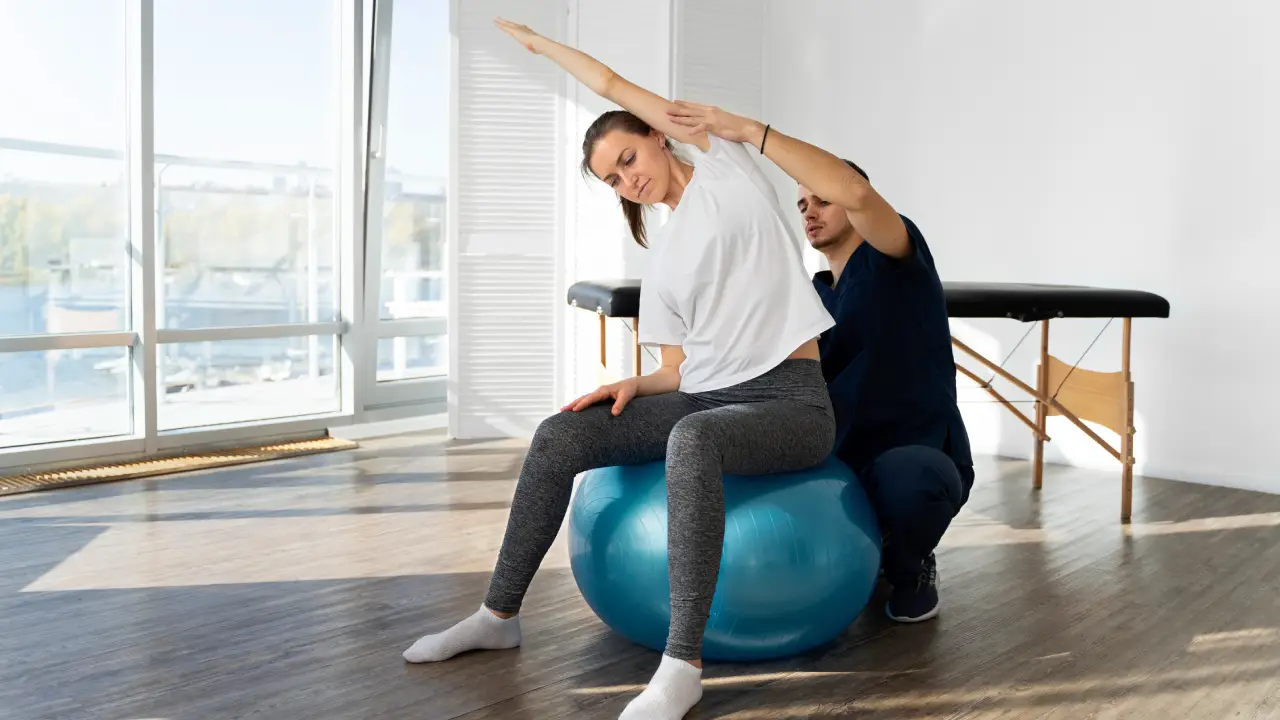
Physiotherapy: Physiotherapy may help address movement limitations, muscle weakness, physical strain, and functional concerns through appropriate assessment and exercise-based care.
Massage Therapy: Massage therapy may help manage muscle tightness, physical tension, and discomfort associated with everyday activities.
Movement and Posture: Reviewing daily movement habits, workplace positioning, and activity patterns can help identify factors contributing to recurring muscle tension.
Individual Treatment Planning: Care recommendations should take into account symptoms, medical history, physical abilities, and individual treatment goals.
People considering complementary approaches should discuss their suitability with a qualified healthcare professional. These services should be viewed as part of an appropriate care plan rather than a replacement for necessary medical assessment.
Practical Ways to Manage Everyday Muscle Tension
Alongside professional care, several everyday habits may help reduce unnecessary muscle strain.
- Take movement breaks: Stand up, walk around, and change positions regularly, particularly during long working hours.
- Maintain comfortable posture: Adjust your chair, desk, and screen position to avoid unnecessary strain on the neck and shoulders.
- Stay physically active: Include walking, gentle stretching, and suitable strengthening exercises in your weekly routine.
- Avoid excessive repetitive movements: Alternate tasks where possible and allow muscles sufficient recovery time.
- Prioritise sleep: Maintain a consistent bedtime and create a comfortable sleeping environment.
- Manage everyday stress: Consider breathing exercises, relaxation activities, and regular opportunities to unwind.
- Seek professional assessment: If muscle tightness persists, worsens, or affects your daily activities, consult an appropriate healthcare professional.
These habits can contribute to healthier movement patterns and may help individuals identify activities that aggravate their symptoms.
Frequently Asked Questions
1. What Is Acupuncture and How Does It Work?
Acupuncture is a traditional treatment method involving the insertion of very fine needles into selected points on the body. It is thought to influence the nervous system and pain-processing pathways. Its effects vary depending on the individual and the condition being addressed.
2. Can Acupuncture Help with Persistent Muscle Tension?
Some research suggests that this treatment may help certain individuals manage musculoskeletal discomfort and muscle-related symptoms. However, results vary. A professional assessment can help determine whether it is suitable for your particular concerns.
3. How Many Sessions May Be Needed for Muscle Tension?
The number of sessions varies according to the individual's symptoms, health history, condition, and response to treatment. A qualified practitioner can discuss an appropriate schedule after reviewing your circumstances.
4. Is Acupuncture Suitable for Everyone?
No. Although many people can undergo this procedure, certain health conditions may require additional precautions. Individuals with bleeding disorders, a history of fainting, pregnancy-related concerns, or other medical conditions should discuss suitability with a qualified practitioner before proceeding.
5. Can Acupuncture Be Combined with Physiotherapy or Massage Therapy?
In some circumstances, it may be included alongside physiotherapy or massage therapy as part of a broader care plan. However, the combination should depend on the individual's condition, treatment goals, and professional assessment.
Take The Next Step
Recurring muscle tension, neck stiffness, back discomfort, and movement limitations can interfere with everyday activities. Identifying the factors contributing to these concerns is an important step towards making informed decisions about your physical well-being.
If you are considering Acupuncture or exploring physiotherapy and massage therapy options, Arise Physio & Massage Clinic can help you learn about available services in Mississauga.
Contact Arise Physio & Massage Clinic in Mississauga today to discuss your concerns, ask about available services, and schedule an appointment.
Phone: +1 905-785-2789
Address: 7025 Danton Promenade Unit 10 A, Mississauga, ON L5N 5E5, Canada