Physiotherapy in Mississauga
Physiotherapy in Mississauga is a form of physical rehabilitation that uses assessment, movement-based care, exercise, manual techniques, and education to address problems affecting muscles, joints, nerves, and movement. At Arise Physio & Massage Clinic, physiotherapy can be used for people dealing with an injury, ongoing discomfort, reduced mobility, weakness, or movement limitations.
Care may be appropriate after an accident, sports injury, surgery, workplace strain, or when everyday activities become difficult. First, a physiotherapist assesses movement and physical function, then creates a care plan based on the findings. The aim is to help patients improve movement, build physical capacity, and return to activities that matter to them.
What Is Physiotherapy?
Physiotherapy is a healthcare service focused on physical function, movement, strength, mobility, coordination, and recovery following injury or physical changes.
A physiotherapist may assess:
- Joint movement and flexibility
- Muscle strength
- Balance and coordination
- Posture and movement patterns
- Walking and functional movement
- Physical limitations following injury or surgery
- Activity-related symptoms
- Work, sport, or daily-life movement demands
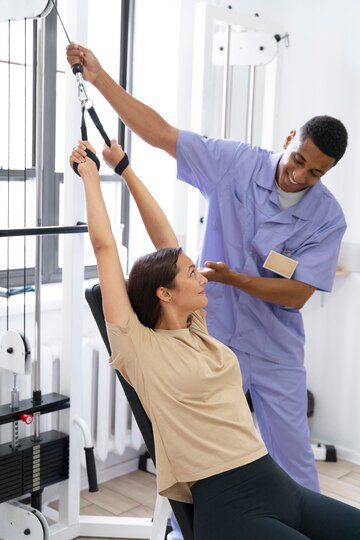
Treatment may include therapeutic exercises, mobility work, manual therapy, movement retraining, stretching, strengthening, and education about activity management.
At Arise Physio & Massage Clinic, physiotherapy may be used for both short-term injuries and ongoing physical concerns. The treatment approach depends on the person’s assessment, symptoms, physical abilities, and daily requirements.
Who Can Benefit From Physiotherapy in Mississauga?
Physiotherapy may be suitable for people experiencing physical limitations related to injury, surgery, repetitive activities, aging, sports, work, or changes in mobility.
Common situations include:
- Someone recovering from a sports injury
- A person returning to activity after surgery
- An individual with restricted joint movement
- Someone dealing with muscle weakness
- A worker experiencing discomfort following repetitive tasks
- A person recovering from a motor vehicle accident
- Someone having difficulty with balance or walking
- An individual who wants to improve physical function for daily activities
- People managing ongoing musculoskeletal conditions
Physiotherapy can also support athletes who need structured exercise and movement work as they return to training.
Problems Physiotherapy Can Address
People often seek physiotherapy when physical problems begin interfering with work, exercise, recreation, or everyday activities.
Physiotherapy may address:
- Back and neck problems
- Shoulder and arm injuries
- Knee problems
- Hip discomfort
- Ankle and foot injuries
- Sports-related injuries
- Muscle strains
- Joint stiffness
- Reduced flexibility
- Muscle weakness
- Balance difficulties
- Post-surgical rehabilitation
- Workplace-related injuries
- Motor vehicle accident injuries
- Movement limitations
The first assessment helps identify which physical factors may be contributing to the person’s difficulty with movement or activity.
Key Physiotherapy Services and Deliverables
Physical Assessment
The process begins with an assessment of movement, strength, flexibility, joint function, and physical limitations.
Why it matters: Assessment provides information that helps determine which areas require attention.
Expected outcome: A clearer picture of the person’s physical condition and functional limitations.
Therapeutic Exercise
Exercises may focus on strength, flexibility, mobility, balance, coordination, or functional movement.
Why it matters: Structured exercise can help develop physical capacity and support the return to daily or recreational activities.
Expected outcome: Improved strength, movement control, and physical function.
Manual Therapy
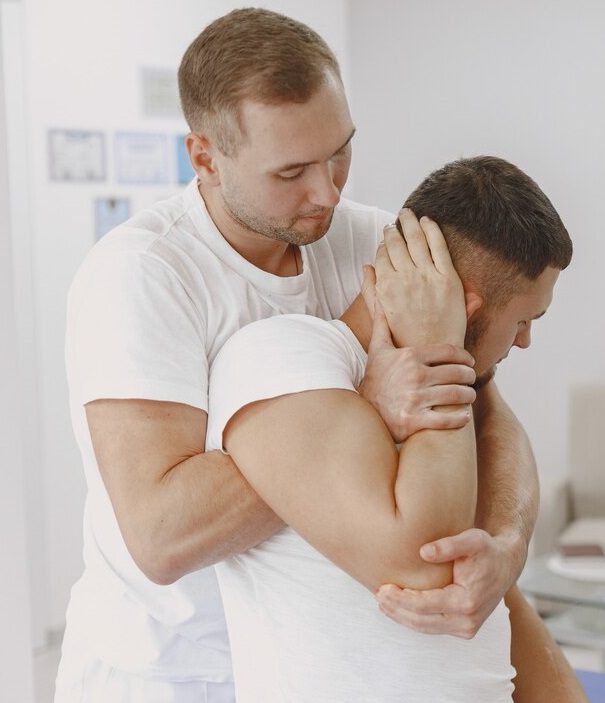
Depending on the assessment, treatment may include hands-on techniques directed at joints, muscles, and surrounding tissues.
Why it matters: Manual techniques can form part of a broader physiotherapy program when appropriate.
Expected outcome: Improved movement and function within the treatment plan.
Mobility and Movement Training
Physiotherapy may include specific movement drills that address restricted mobility or inefficient movement patterns.
Why it matters: Movement quality can affect how a person performs everyday tasks, exercise, and work activities.
Expected outcome: Greater control and confidence during physical activity.
Home Exercise Program
Patients may receive exercises to perform between appointments.
Why it matters: Consistent participation outside the clinic can support progress between physiotherapy sessions.
Expected outcome: Continued work toward strength, mobility, and functional goals.
Functional Rehabilitation
Treatment can incorporate movements related to work, sport, household activities, or other daily tasks.
Why it matters: Rehabilitation should relate to the activities a person needs or wants to perform.
Expected outcome: Improved ability to participate in relevant activities.
How Physiotherapy Works
1. Initial Consultation
The physiotherapist discusses the person’s symptoms, medical history, activity levels, and physical concerns.
2. Physical Assessment
Movement, strength, flexibility, balance, joint function, and other relevant physical factors are assessed.
3. Care Planning
The physiotherapist explains the findings and establishes a treatment plan based on the assessment and the person’s functional goals.
4. Treatment
Treatment may include exercise, manual therapy, mobility work, movement training, education, and other appropriate physiotherapy methods.
5. Progress Review
Physical function and response to treatment are reviewed during subsequent appointments.
6. Ongoing Care
The treatment plan can be adjusted as physical capacity changes, with exercises and activity recommendations updated when appropriate.
Practical Benefits of Physiotherapy
Physiotherapy can support several areas of physical function, including:
- Greater joint mobility
- Increased muscle strength
- Improved balance
- Improved coordination
- Better movement control
- Increased physical capacity
- Support during post-surgical rehabilitation
- Structured return to sport or exercise
- Support for workplace rehabilitation
- Improved ability to perform everyday activities
Results vary between individuals and depend on the underlying condition, physical health, participation in the treatment plan, and other factors.
Conditions and Situations Served
Physiotherapy may be relevant for a range of physical conditions and situations, including:
- Sports injuries
- Workplace injuries
- Motor vehicle accident injuries
- Orthopaedic rehabilitation
- Post-surgical rehabilitation
- Musculoskeletal conditions
- Joint stiffness
- Muscle strains
- Mobility limitations
- Balance concerns
- Strength deficits
- Chronic physical conditions
- Exercise-related injuries
Frequently Asked Questions
What does physiotherapy include?
Physiotherapy can include physical assessment, therapeutic exercise, mobility training, manual therapy, movement education, functional rehabilitation, and home exercises. The services used depend on the individual’s assessment.
How long does a physiotherapy appointment take?
Appointment length can vary depending on the type of assessment or treatment required. The clinic can provide appointment details when you schedule your visit.
How many physiotherapy sessions will I need?
There is no single number of sessions that applies to everyone. The required frequency and duration depend on the condition, physical findings, treatment response, and functional goals.
Do I need a referral for physiotherapy?
Referral requirements can vary depending on the situation and insurance coverage. Contact Arise Physio & Massage Clinic to confirm what applies to your circumstances.
Can physiotherapy help after surgery?
Yes. Physiotherapy is commonly used as part of rehabilitation following various surgical procedures. The program depends on the procedure, medical instructions, physical condition, and recovery stage.
Can athletes use physiotherapy?
Yes. Physiotherapy can support athletes with injury rehabilitation, mobility work, strength development, movement training, and return-to-sport preparation.
Can physiotherapy address workplace injuries?
Physiotherapy may form part of rehabilitation for workplace-related injuries. Documentation, insurance, and workplace requirements can vary depending on the circumstances.
What should I bring to my first appointment?
Bring relevant medical information, referral documents if applicable, insurance information, and details about your symptoms or previous treatment. Comfortable clothing that allows movement may also be useful.
Service Areas
Arise Physio & Massage Clinic provides physiotherapy services for people in Mississauga and nearby communities.
Depending on the clinic’s service availability, patients may come from areas such as:
- Mississauga
- Streetsville
- Meadowvale
- Erin Mills
- Port Credit
- Cooksville
- Clarkson
- Dixie
- Lisgar
- Meadowvale Village
- Malton
For exact clinic availability, appointment times, and service coverage, contact Arise Physio & Massage Clinic directly.
Why Choose Arise Physio & Massage Clinic?
Arise Physio & Massage Clinic provides physiotherapy and massage services for people seeking support with physical function, mobility, injury rehabilitation, and activity-related concerns.
The clinic’s physiotherapy care can include assessment, exercise-based rehabilitation, manual techniques, mobility work, movement training, and functional rehabilitation. Treatment is based on the findings from the physical assessment and adjusted as the patient’s needs change.
If you are looking for Physiotherapy in Mississauga, the clinic can discuss your concerns, assess your physical function, and explain which physiotherapy services may be appropriate for your situation.
Related Services
Patients may also explore related services available through Arise Physio & Massage Clinic, depending on their needs:
- Chiropractic
- Massage Therapy
- Acupuncture
- Custom made Orthotics
- Compression Stockings & Braces
These services may be used independently or alongside physiotherapy when appropriate.
Get Started With Physiotherapy
If an injury, stiffness, weakness, or movement limitation is affecting your daily activities, work, exercise, or sport, the first step is an assessment.
Contact Arise Physio & Massage Clinic to discuss your concern and schedule a physiotherapy appointment in Mississauga. During your visit, the physiotherapist can assess your physical function, explain the findings, and discuss suitable treatment options.
Looking for Physiotherapy in Mississauga? Contact Arise Physio & Massage Clinic to schedule an appointment and take the next step toward improved movement and physical function.
Address: 7025 Danton Promenade Unit 10 A, Mississauga, ON L5N 5E5, Canada
Phone: +1 905-785-2789