Custom Made Orthotics in Mississauga
The way your feet interact with the ground while standing, walking, running, or engaging in other daily activities can sometimes lead to foot and lower-limb discomfort. Custom made Orthotics in Mississauga are foot-support devices created around an individual’s foot structure, movement patterns, and functional needs. At Arise Physio & Massage Clinic, orthotic care can be considered as part of a broader approach to addressing foot, ankle, knee, hip, and movement-related concerns.
Custom orthotics may be recommended when standard footwear inserts do not provide the support or fit required for a person’s needs. The process involves assessing the feet and lower limbs, discussing symptoms and daily activities, and determining whether custom orthotic support is appropriate.
What Are Custom Made Orthotics?
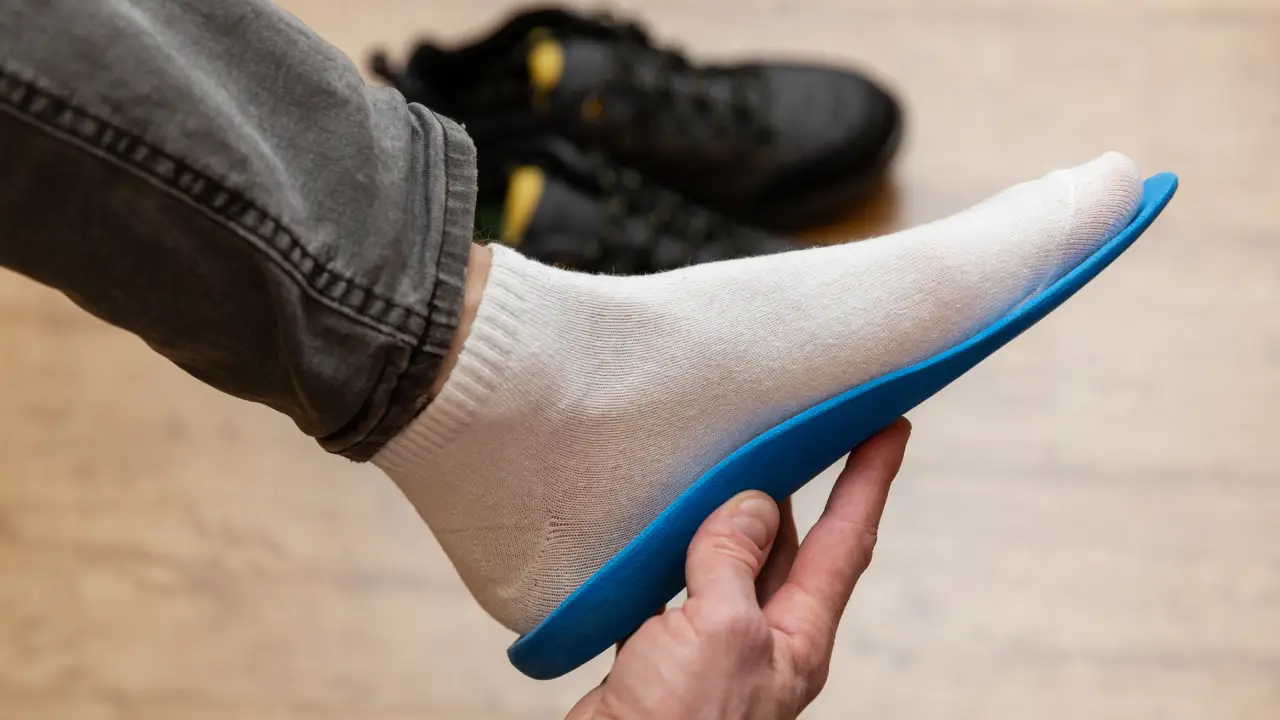
Custom made orthotics are foot-support devices created to fit the shape and functional requirements of an individual’s feet. They are placed inside footwear and can influence how pressure is distributed across the foot during standing and movement.
Unlike generic shoe inserts, custom orthotics are made using information gathered from an assessment. Depending on the individual’s needs, the assessment may include observations of foot position, walking patterns, joint movement, footwear, and areas of discomfort.
Orthotics may be used as part of care for concerns involving:
- Foot and arch discomfort
- Heel discomfort
- Flat feet or fallen arches
- High arches
- Overpronation or excessive inward foot movement
- Certain ankle concerns
- Lower-limb alignment issues
- Activity-related foot discomfort
- Repetitive strain associated with walking or running
- Foot support needs related to particular footwear
The purpose of an orthotic is not simply to add cushioning. Its design can be chosen based on the person’s foot shape, movement, activities, and footwear.
Who Can Benefit From Custom Made Orthotics?
Custom orthotics may be considered for people whose foot structure or movement patterns contribute to discomfort or affect everyday activities.
Adults With Foot Discomfort
People who spend substantial time standing or walking may seek foot support when discomfort begins affecting their daily routines.
Runners and Active Individuals
Running and other repetitive activities place repeated loads on the feet and lower limbs. An assessment can help determine whether foot support should form part of a broader movement-care plan.
People With Arch Differences
Individuals with low arches, high arches, or noticeable changes in foot positioning may require a different type of support from a standard shoe insert.
People With Lower-Limb Concerns
Foot mechanics can influence movement farther up the lower limb. Depending on the individual, an assessment may consider the relationship between the feet, ankles, knees, and hips.
People Who Spend Long Hours on Their Feet
Workers in retail, healthcare, hospitality, construction, and other occupations may spend much of the day standing or walking. Footwear and foot support can therefore become important considerations.
Problems Custom Orthotics May Address
People commonly explore custom orthotics when they experience:
- Heel or arch discomfort
- Foot fatigue after prolonged standing
- Recurrent foot discomfort during walking
- Discomfort while running or exercising
- Difficulty finding comfortable footwear
- Uneven pressure beneath the feet
- Concerns related to flat feet or high arches
- Foot or ankle movement concerns
- Lower-limb strain associated with particular activities
- A need for a more individualized foot-support option
An orthotic is not appropriate for every foot or movement concern. A physical assessment can help determine whether an orthotic is suitable and whether another form of care may be more appropriate.
What Is Included With Custom Made Orthotics?
Foot and Movement Assessment
The process begins with an assessment of relevant foot and lower-limb characteristics. The clinician may consider foot position, mobility, movement patterns, symptoms, activities, and footwear.
Discussion of Daily Activities
Walking, running, work demands, exercise, sports, and other activities can affect the type of support a person may require. These details help provide context for the assessment.
Orthotic Selection
If custom orthotics are considered appropriate, the information gathered during the assessment helps determine the required design and support characteristics.
Footwear Considerations
The shoes must accommodate the orthotics. During the process, we can discuss the size, shape, construction, and available space of the footwear.
Fit and Follow-Up
Once the orthotics are ready, their fit and use can be reviewed. Adjustments or further assessment may be considered when needed.
How the Custom Orthotic Process Works
1. Initial Consultation
The process starts with a discussion about your symptoms, activities, footwear, and reason for seeking orthotic care.
2. Physical Assessment
Relevant aspects of foot and lower-limb movement are assessed. This may include standing posture, walking patterns, joint movement, and areas associated with discomfort.
3. Orthotic Planning
If an orthotic is appropriate, the assessment findings are used to determine the type of support required.
4. Custom Fabrication
The orthotic is produced according to the measurements and specifications determined during the assessment.
5. Fitting
The orthotics are checked in the intended footwear to assess fit and practical use.
6. Follow-Up
Follow-up allows the clinician to discuss how the orthotics are being used and whether further adjustments or additional care should be considered.
Practical Benefits of Custom Made Orthotics
Custom orthotics can provide several practical advantages when they are appropriate for an individual’s needs:
- Foot support based on individual measurements
- A fit intended for particular footwear
- Support for specific foot and movement characteristics
- Consideration of walking, running, work, and recreational activities
- An option beyond standard over-the-counter inserts
- Integration with physiotherapy and other movement-based care
- An opportunity to review foot mechanics as part of a broader assessment
Results vary from person to person. Orthotics are one component of foot and lower-limb care rather than a universal solution for every condition.
Who May Use Custom Orthotic Services?
Custom orthotic care can be relevant to a range of people, including:
- Office workers
- Retail workers
- Healthcare workers
- Hospitality workers
- Construction workers
- Runners
- Recreational athletes
- Active adults
- People who stand for extended periods
- Individuals dealing with recurring foot discomfort
- People seeking additional support within their everyday footwear
Frequently Asked Questions
What are custom made orthotics?
Custom made orthotics are foot-support devices created according to an individual’s foot structure and functional requirements. They are placed inside footwear to provide a specific form of support.
How are custom orthotics different from store-bought inserts?
Store-bought inserts are generally produced in standard shapes and sizes. Custom orthotics are created using information gathered from an individual assessment and are made according to specific requirements.
How do I know if I need custom orthotics?
An assessment can help determine whether an orthotic is appropriate. Factors such as symptoms, foot structure, movement patterns, activities, and footwear may be considered.
Can custom orthotics be used for running?
They may be considered for runners when foot mechanics, footwear, or movement patterns indicate that additional foot support could be appropriate. The suitability depends on the individual assessment.
Can I use custom orthotics in my regular shoes?
The answer depends on the orthotic design and the footwear. Shoes with adequate interior space and an appropriate shape are generally easier to use with an orthotic.
How long does it take to get custom orthotics?
The timeframe can vary depending on the assessment, fabrication process, and fitting arrangements. The clinic can provide current timing during your appointment.
Do I need physiotherapy along with orthotics?
Not necessarily. Orthotics may be used on their own or alongside physiotherapy when appropriate. The need for additional care depends on the individual’s condition and assessment findings.
Can children use custom orthotics?
Children may use orthotics in certain circumstances, but suitability depends on factors such as age, growth, foot structure, symptoms, and activity level. An assessment can help determine whether they are appropriate.
Do custom orthotics last forever?
No. Orthotics can wear over time, and their condition should be monitored. Changes in footwear, activity levels, foot structure, or symptoms may also indicate that a review is appropriate.
Are custom orthotics covered by insurance?
Coverage varies between insurance providers and individual plans. Patients should check their policy or contact their insurer to confirm eligibility and reimbursement requirements.
Service Areas
Arise Physio & Massage Clinic serves people seeking Custom made Orthotics in Mississauga and surrounding communities.
Depending on your location, nearby areas may include:
- Mississauga
- Meadowvale
- Streetsville
- Erin Mills
- Port Credit
- Cooksville
- Clarkson
- Square One area
- Lakeview
- Malton
- Churchill Meadows
- Lisgar
Availability and appointment details can be confirmed directly with the clinic.
Why Choose Arise Physio & Massage Clinic?
Choosing an orthotic provider involves more than selecting an insert. The assessment should consider how the feet function, what activities you perform, what footwear you use, and why you are seeking additional support.
At Arise Physio & Massage Clinic, custom orthotic care can be considered within the context of physiotherapy and massage services. This enables discussions about foot-support needs alongside other relevant movement and musculoskeletal concerns.
The clinic can assess your needs, explain whether custom orthotics may be appropriate, and discuss the next steps based on your individual situation.
For specific information about clinician qualifications, appointment availability, pricing, fabrication timelines, and insurance documentation, contact the clinic directly.
Related Services
Depending on your needs, you may also explore related services at Arise Physio & Massage Clinic, such as:
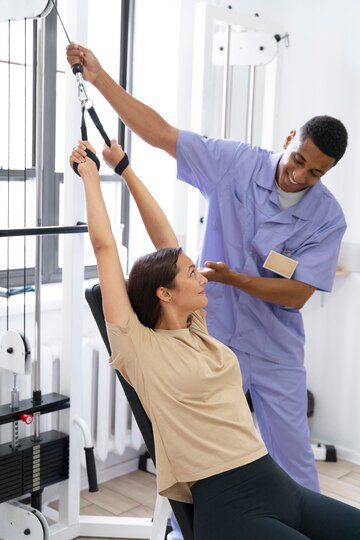
- Physiotherapy
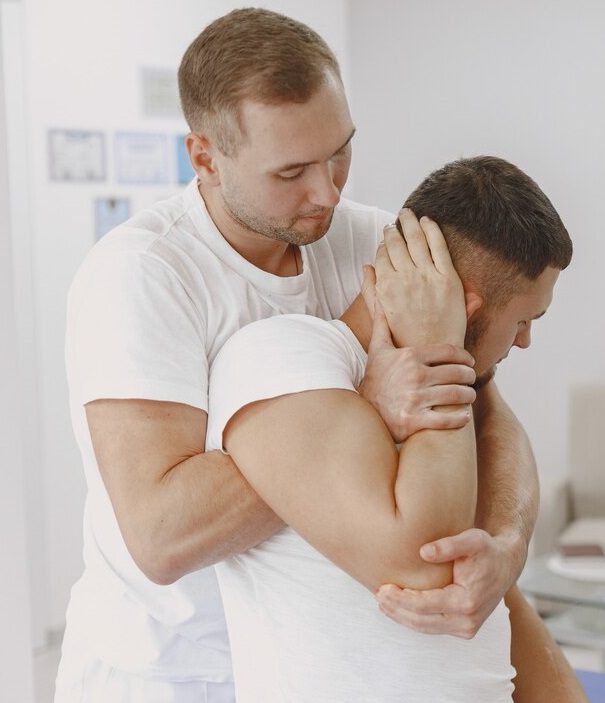
- Chiropractic
- Massage Therapy
- Acupuncture
- Compression Stockings & Braces
These services may be considered separately or alongside orthotic care depending on the reason for your visit.
Get Started
If foot discomfort, footwear issues, or movement concerns have led you to consider custom orthotics, the first step is an assessment.
At Arise Physio & Massage Clinic, you can discuss your symptoms, daily activities, footwear, and goals with the clinical team. From there, the clinic can determine whether custom orthotics are appropriate and explain the process involved.
Looking for Custom made Orthotics in Mississauga? Contact Arise Physio & Massage Clinic to schedule an assessment and discuss your foot-support needs.
Address: 7025 Danton Promenade Unit 10 A, Mississauga, ON L5N 5E5, Canada
Phone: +1 905-785-2789